kyle hobson
Menu

UX DESIGN · HUMAN–AI INTERACTION

Complex products.
Clear next steps.

I’m Kyle, a UX designer who makes AI and information-rich products easier to understand. I bring research into the details: what people see, what they expect, and what happens next.

Currently designing SmartTagIt at FactorLab.

FactorLab · SmartTagIt
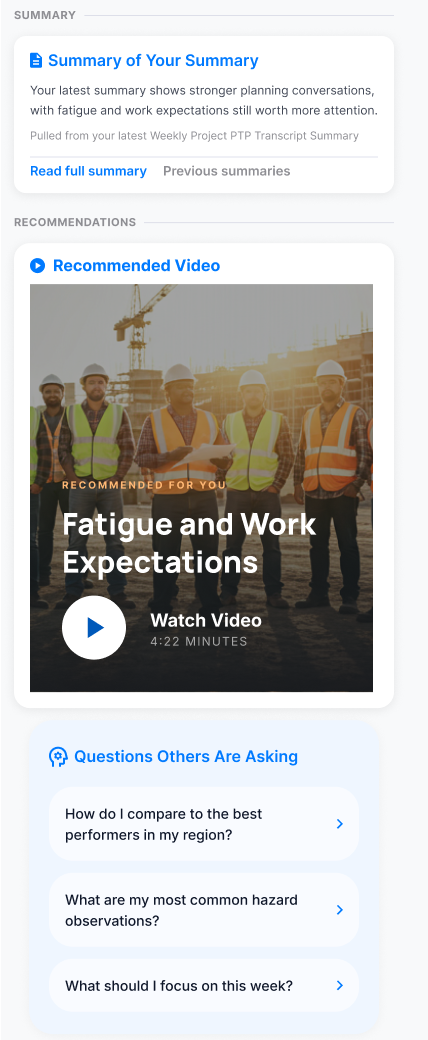
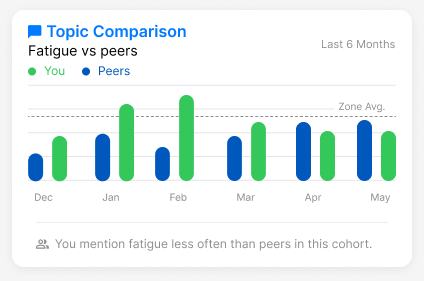
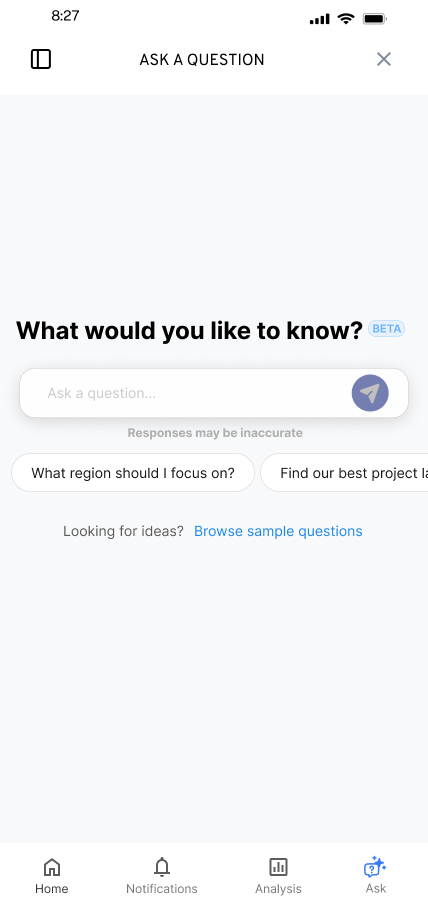
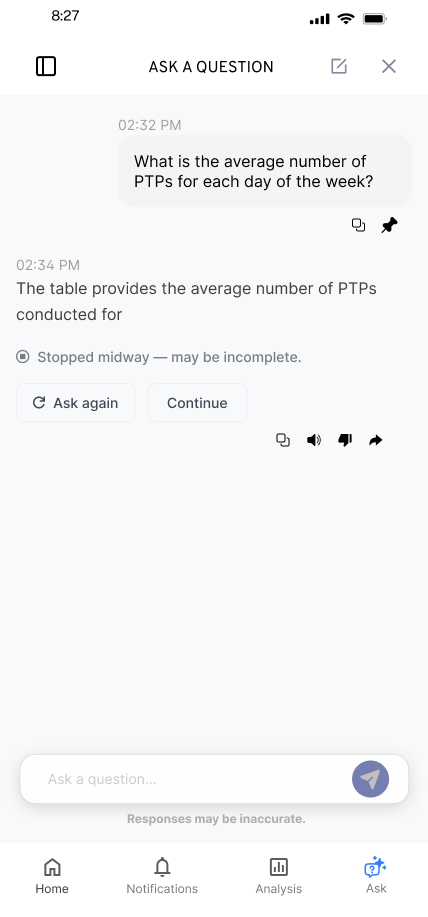
Original mobile exploration connects a summary, a recommended video, and suggested questions. Profile and scoring sections are omitted.Original topic-comparison chart distinguishes a person’s results from peer and zone averages.
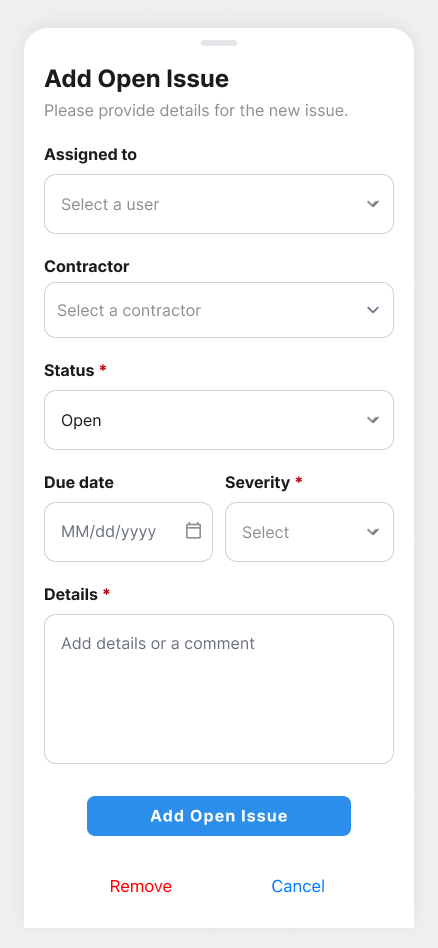
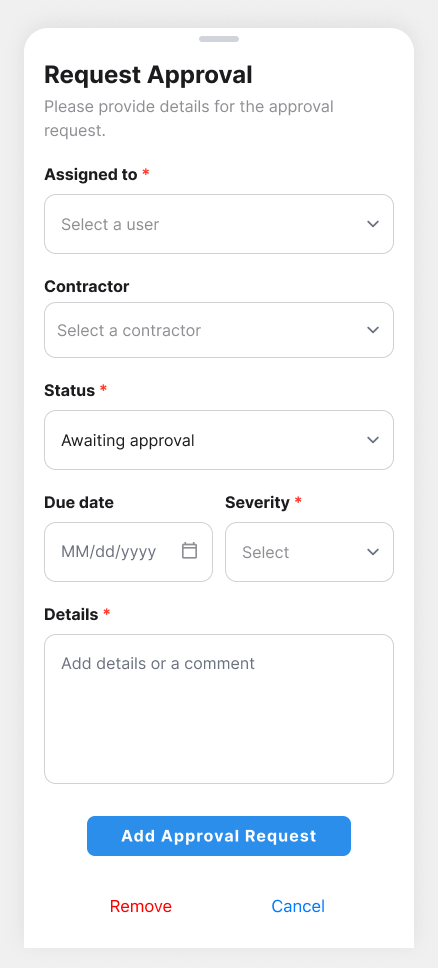
Original mobile design exploration
Featured work Useful personal feedback, shaped for a feasible first release.
SELECTED EXPERIENCE

FactorLabUX Designer & Researcher (Contract)

Oak AILead UX Researcher

ASU Learning InnovationsAI Analyst

ASU Knowledge EnterpriseInstructional Designer

Oppia FoundationUX Research Lead, volunteer

SELECTED WORK

The decisions behind the screens.

Follow the work from the problem to the decisions that shaped it.

THE THREAD THROUGH MY WORK

I started by listening
to people’s stories.

Kyle Hobson, supplied portrait.

A good question can change
the whole story.

I came to UX through documentary filmmaking. Listening closely, asking a better question, and deciding what belongs in the story were part of that work. I still use those habits when I look at a product: what is the person trying to understand, and what detail will help them move forward?

My background also includes technical communication, instructional design, and UX research. In the work shown here, those interests meet in small decisions: whether a saved question keeps its context, whether a comparison explains its reference point, and whether a page title confirms where someone has arrived. I like making those details clear enough for a team to examine together.

Away from product work, I run tabletop games. Facilitation, pacing, and adapting to a group's choices are part of that craft. It gives me another place to work with the same ingredients I care about in design: people, structure, and enough room for something unexpected to happen.

MS, User ExperienceArizona State University · 2024 Also: UX communication, electronic media,
and a lifelong interest in how people think.

Useful when the product is complicated.

Interaction design

Design the start of a task and what happens when it stalls: flows, states, and recovery.

Research into design

Connect a finding to a design choice, with alternatives and a clear reason for the next iteration.

Design with engineering

Work through behavior and implementation tradeoffs, then make the decisions clear in the handoff.

How I work with a team

A few decisions that show the working relationship behind the screens.

How do you make a handoff useful to engineering?

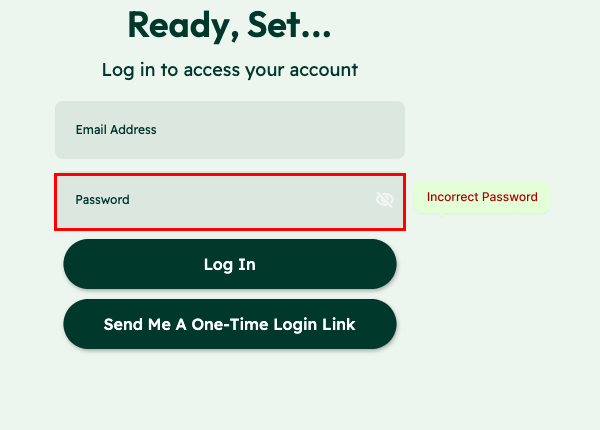
I connect the visible problem to the behavior we need. In SmartTagIt reviews, I paired issue IDs and severity with short reproduction videos, then annotated the relevant states. Engineering could review the trigger, the screen and the proposed response together.

See the recovery and handoff work
When has feedback changed your own design?

My first About Me accomplishments grid left out data that engineering’s table included. I recommended adopting their table and took responsibility for the labels and Figma updates. Their implementation exposed a gap in my mockup; keeping the more complete information mattered more than keeping my layout.

See the About Me design decisions
How do you adapt when scope is still moving?

In a September 2026 workflow review, I reused the engineers’ full input fields instead of retaining separate create and edit variants. When a desktop demo skipped existing comment and media options, I asked the product lead to clarify the intended behavior. He confirmed those options should remain. That was an agreed direction, not a verified release.

See the workflow implementation review
How do you work when formal user studies are outside scope?

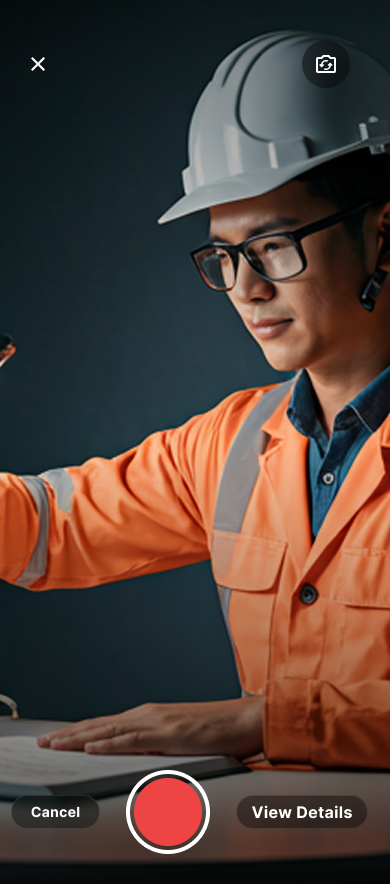
I adapt the research to the access available. At FactorLab, I used heuristic review, comparative patterns, and customer context relayed through product leadership to inform concrete design decisions. I kept the questions needing direct user validation visible, while using walkthroughs and implementation reviews to refine the work.

See the camera diagnosis and scope decision

TAKE THE STORY WITH YOU

The UX Design package.

A concise career overview and a visual walkthrough of the work.

A GOOD PLACE TO START

Let’s make the next step clearer.

For product and UX design roles, contract projects, and collaborations.

Mesa, Arizona · Open to remote collaboration LinkedIn GitHub
Open original