Opens in a new tab.
Back to games
Peasants to Kings

A world that remembers the party.

A 5+ year homebrew campaign about ordinary people rising into mythic consequence across war, faction politics, corruption, and destiny-breaking choices.

5+ year campaign Persistent world canon Multi-party continuity
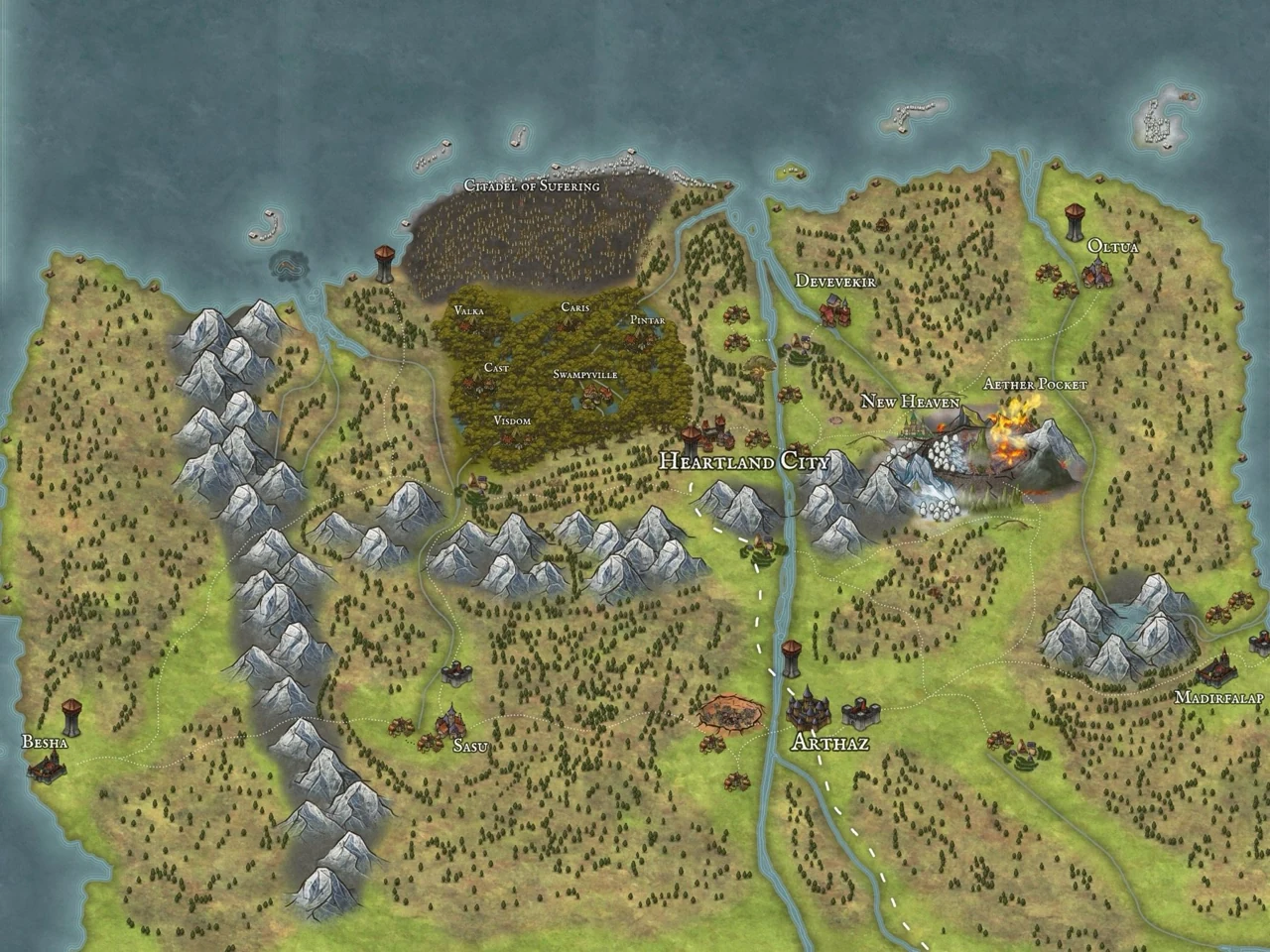
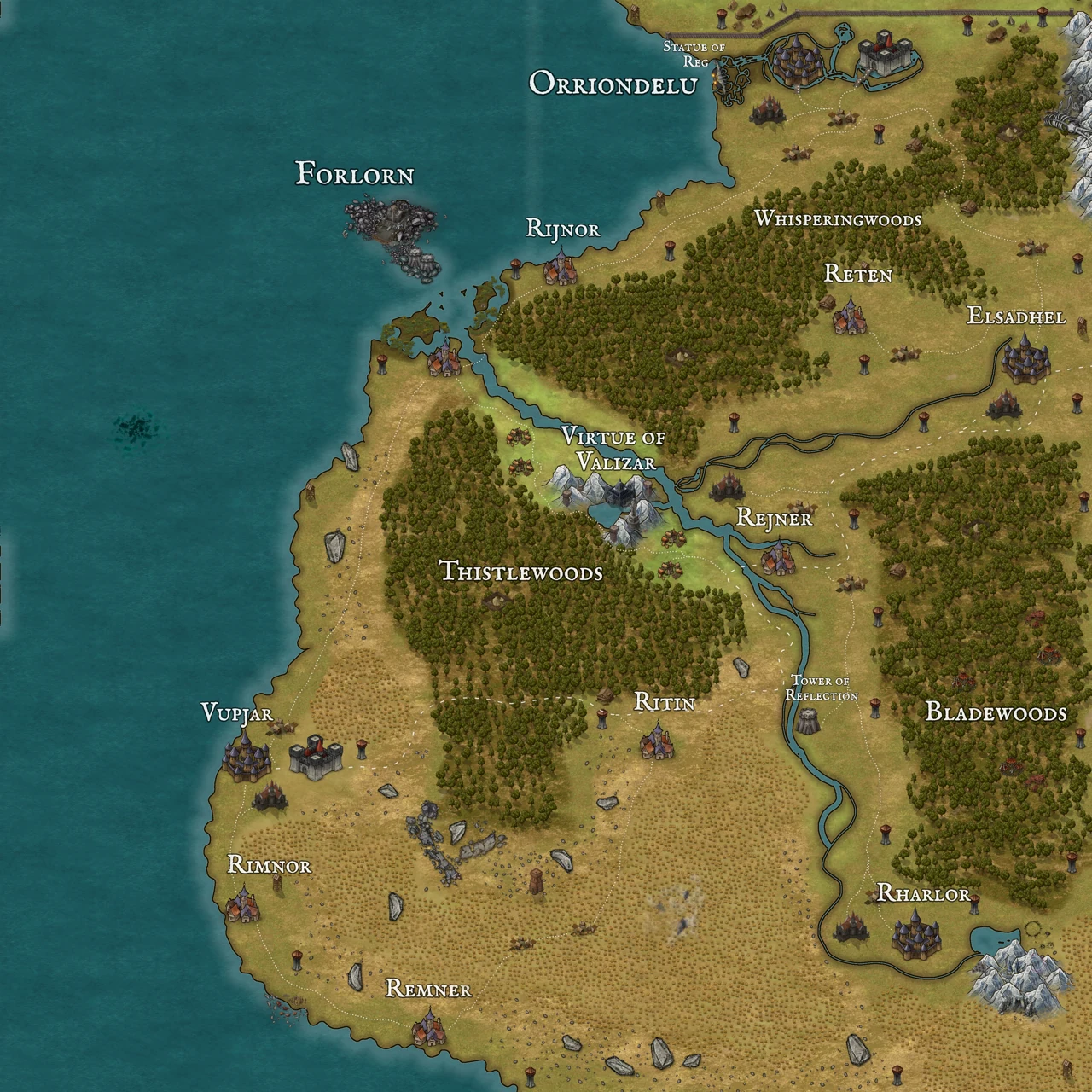
Campaign map section showing Valizar, Orriondelu, Rijinor, Rejner, and surrounding roads, forests, coast, and settlements.

What This Game Shows

Peasants to Kings is the long-form worldbuilding spine of the portfolio. It shows campaign architecture: living canon, recurring factions, player-driven escalation, session recaps, lore packets, and consequences that keep moving after a scene ends.

For a public table, the important lesson is not "more lore." It is how to make a deep world playable. Players need handles: a clear threat, a faction they understand, a place they can affect, and a reason their next choice matters.

  • Turns deep setting material into visible stakes and table-ready choices.
  • Supports long arcs without asking players to memorize the whole world.
  • Uses recaps, lore packets, and faction records to keep continuity usable.
Featured story

The long arc matters when one character's pain still echoes.

Peasants to Kings is not only a map and lore system. It is a campaign where character arcs keep returning as songs, journals, faction pressure, and table memory.

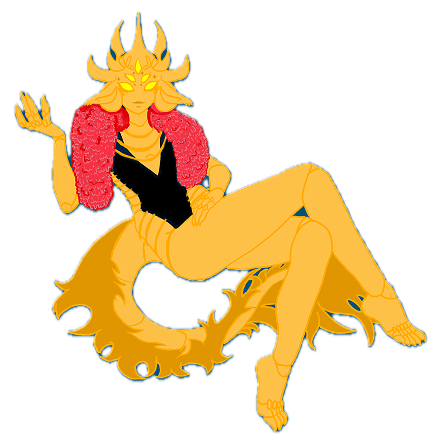
Golden Peasants to Kings character art with a glowing antler-like crown, red fur shawl, and flowing tail.
Player/story art gives the campaign a face before the visitor enters the deeper archive.
The Fractured Hearts

A story spine built for memory, not homework.

The featured video gives a focused look at Peasants to Kings as a long-running campaign: character pain, world pressure, and mythic fallout braided into a story players can still follow.

The deeper P2K archive includes text roleplay, journals, recaps, faction threads, story playlists, and live sessions. Public copy here stays short so the proof supports the portfolio instead of becoming a lore dump.

Long-arc payoff that keeps character choices alive. Player-facing story memory through journals, recaps, and media. World depth presented with clear handles for the table.
Source-seeded recap

The P2K source pool includes captured journals, story threads, recaps, and lore exports. The public version distills that material into proof of campaign memory: players can leave the live session and still find character voice, world motion, and next-step context waiting for them.

Skrik's journal

An NPC story earned its own archive.

Skrik's story playlist shows how side characters can become campaign memory: not a lore dump, but a trail players can revisit when the world starts pulling on old choices.

Skrik's story playlist

Small characters can carry big consequences.

This playlist gives visitors a direct watch surface for the Skrik arc. It supports the portfolio claim that Kyle keeps emotional continuity alive outside a single live session.

Recurring NPC memory that players can track over time. Story media that helps a long campaign stay re-enterable. A focused example of character fallout becoming world texture.
Live campaign sessions

The long campaign is watchable, not just described.

The live P2K playlist lets visitors see table pacing, player choice, recap rhythm, and how the world moves in real play.

Live P2K sessions

Full sessions make the table craft inspectable.

These recordings back up the written case with live-play evidence: how Kyle frames scenes, listens to players, resolves chaos, and keeps a large world understandable in motion.

Real session pacing and player interaction. Long-form continuity visible at the table. Proof that the worldbuilding works during play, not only in docs.
Game craft

Campaign depth that still plays cleanly.

The portfolio value is not the size of the lore. It is the ability to turn long-running complexity into a table where players know what they can do next.

01

What I built

A persistent homebrew world with recaps, lore packets, faction records, side-character arcs, and structured continuity across years of play.

02

What players feel

The setting feels large without becoming homework. Players can follow the thread, recognize pressure, and see their choices leave tracks.

03

What it shows

Kyle can manage complex campaign material, keep player agency visible, and make continuity useful for real people at the table.

Evidence board

Artifacts from a world with memory.

These snapshots show how Peasants to Kings stays playable between sessions: maps, player art, Discord structure, and public worldbuilding media.

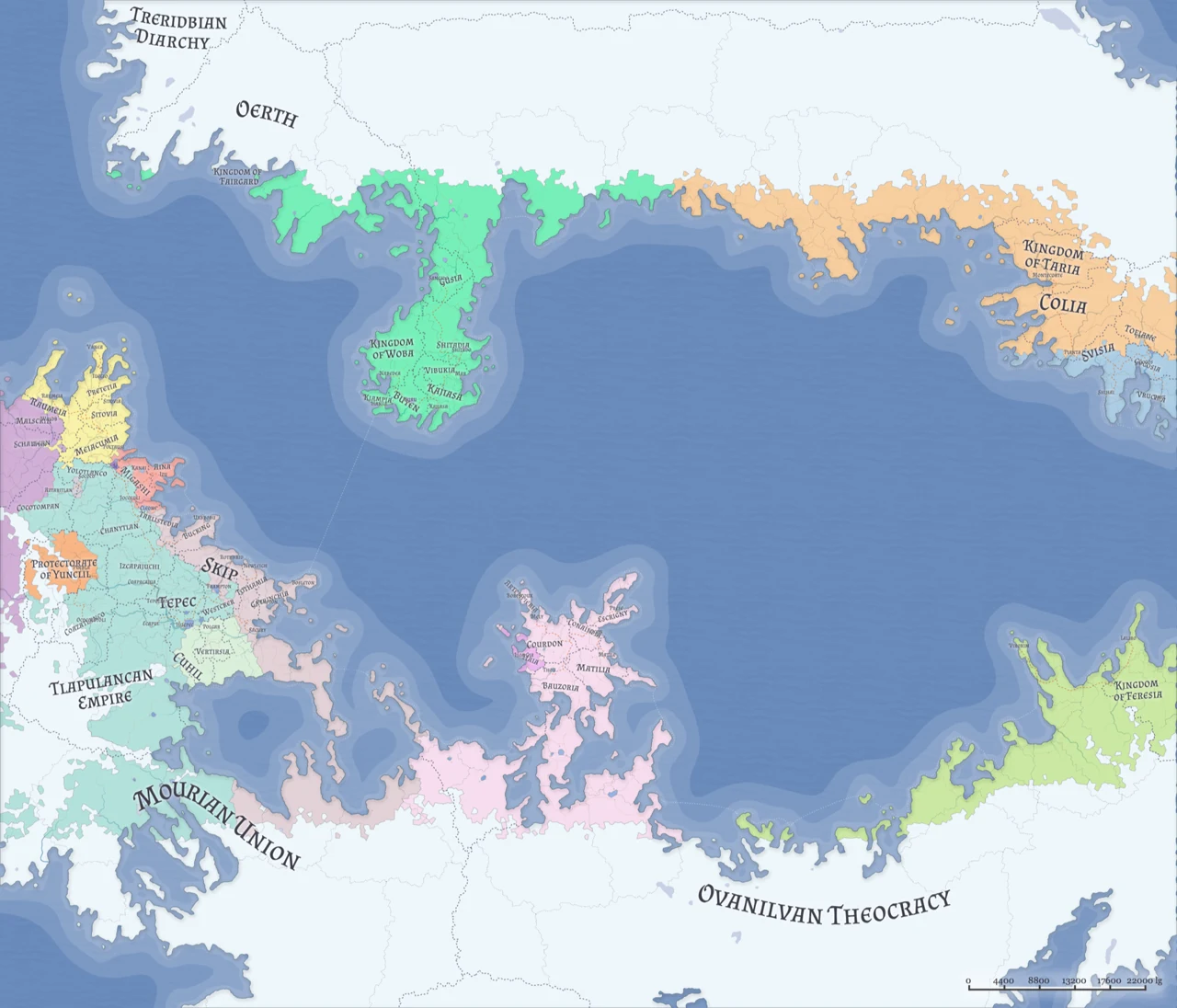
A labeled fantasy world map with multiple kingdoms, seas, borders, and island regions from the Peasants to Kings setting.

World-scale geography

Terria shows the campaign has political and geographic scale beyond a single adventuring site.

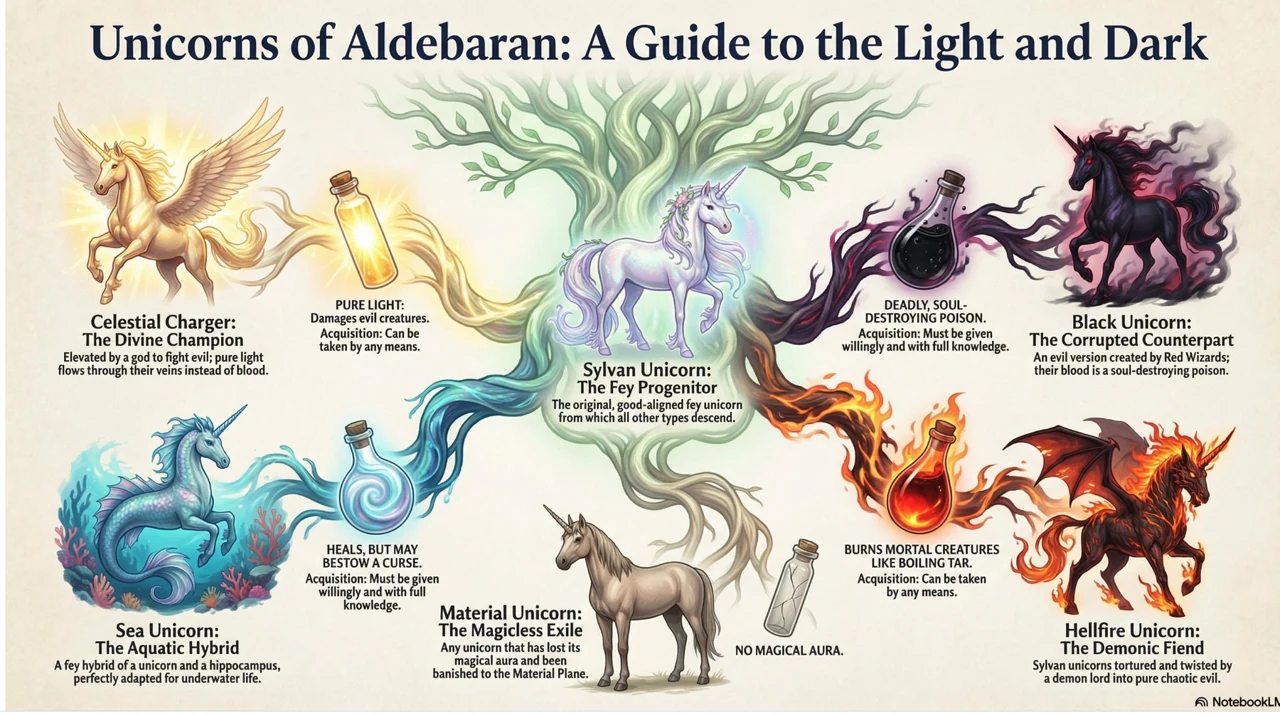
Illustrated lore guide titled Unicorns of Aldebaran: A Guide to the Light and Dark, showing celestial, sylvan, sea, material, black, and hellfire unicorn variants with short rules and story notes.

Lore made table-readable

A creature-family guide turns setting depth into a fast reference players can scan without needing a lore lecture.

Open readable preview
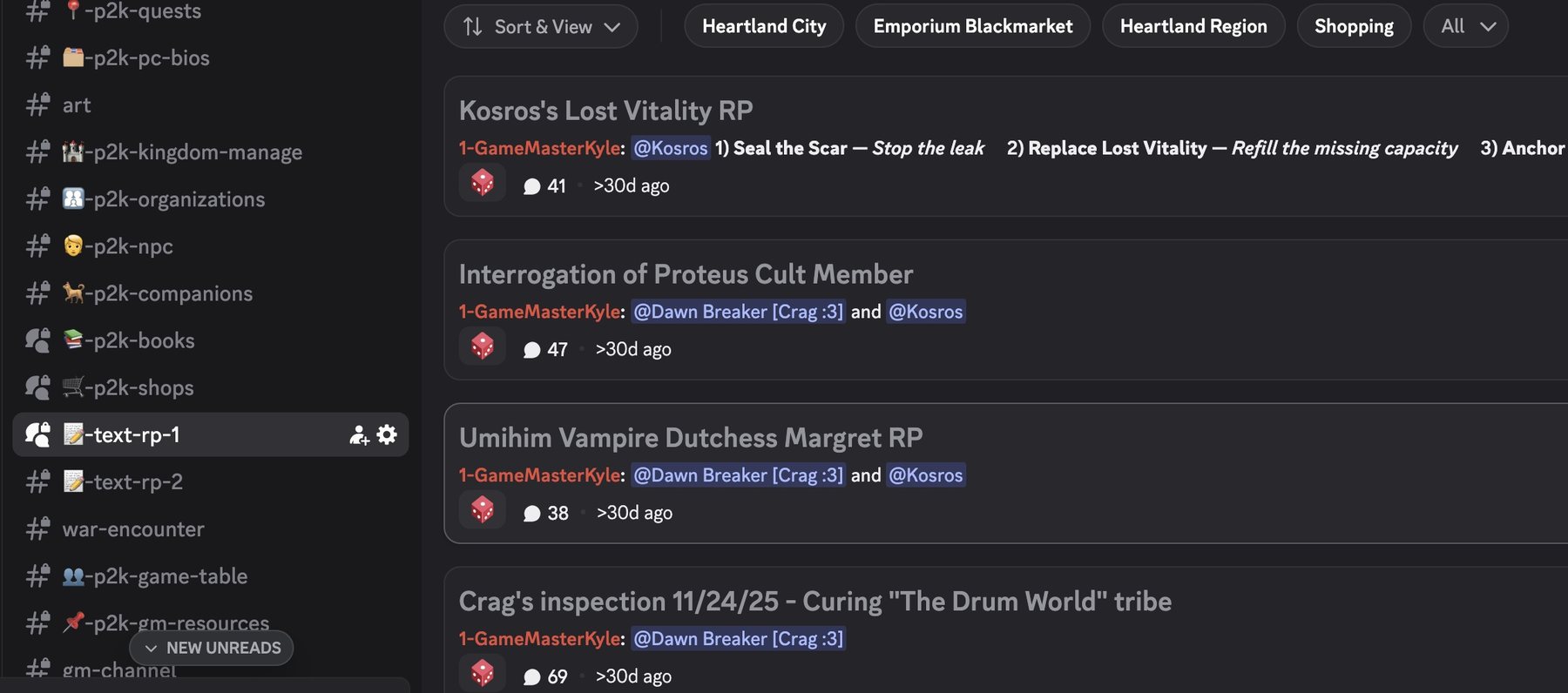
Discord screenshot showing Peasants to Kings channels and text roleplay threads with character names, reply counts, and campaign organization channels.

Between-session play

Thread indexes, maps, organizations, shops, and text-RP spaces show a world that keeps moving between live sessions.

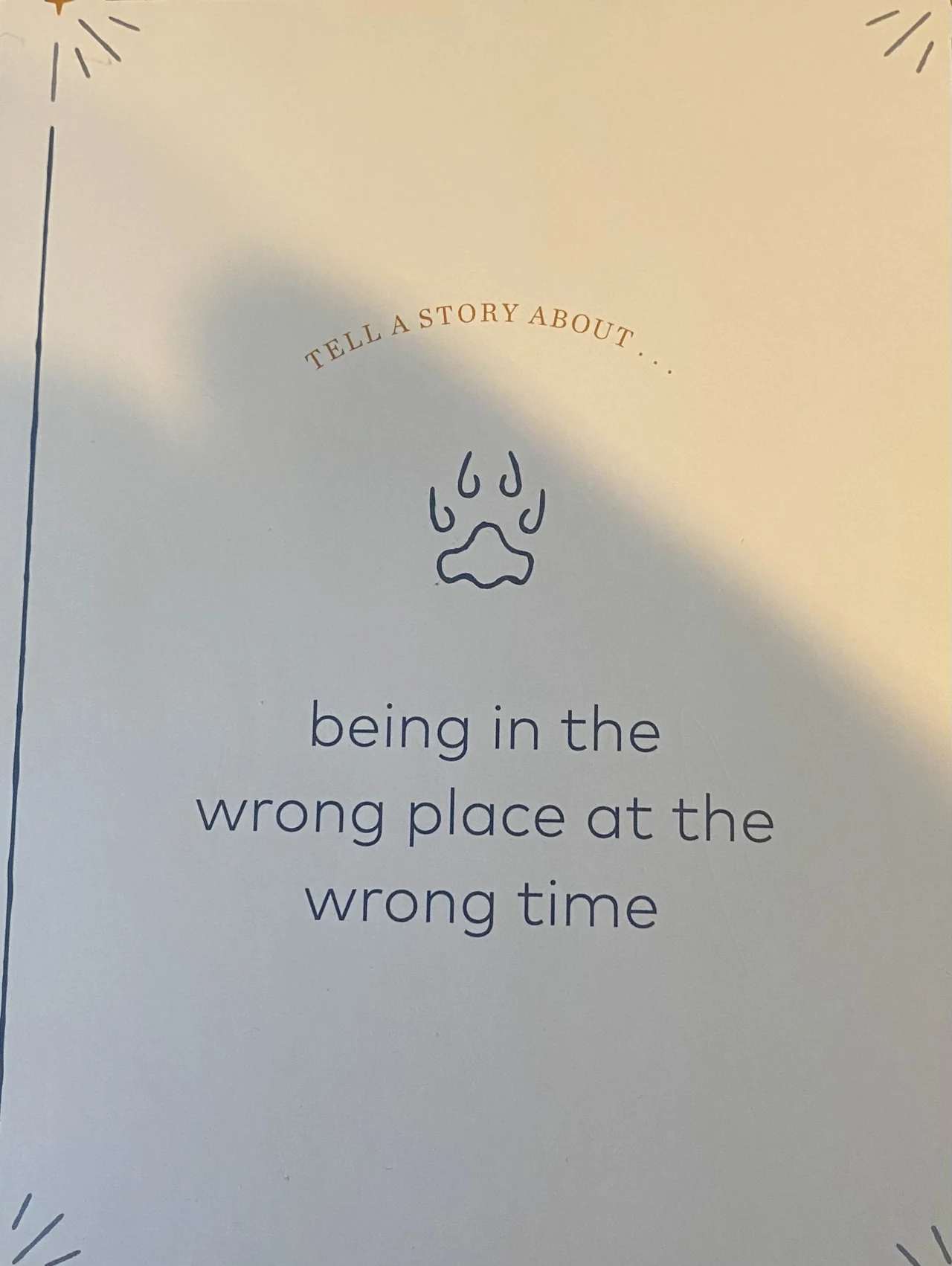
A printed story prompt card reading Tell a story about being in the wrong place at the wrong time.

Story prompts at table scale

A simple prompt turns world memory into character voice: tell us what happened when you were in the wrong place at the wrong time.

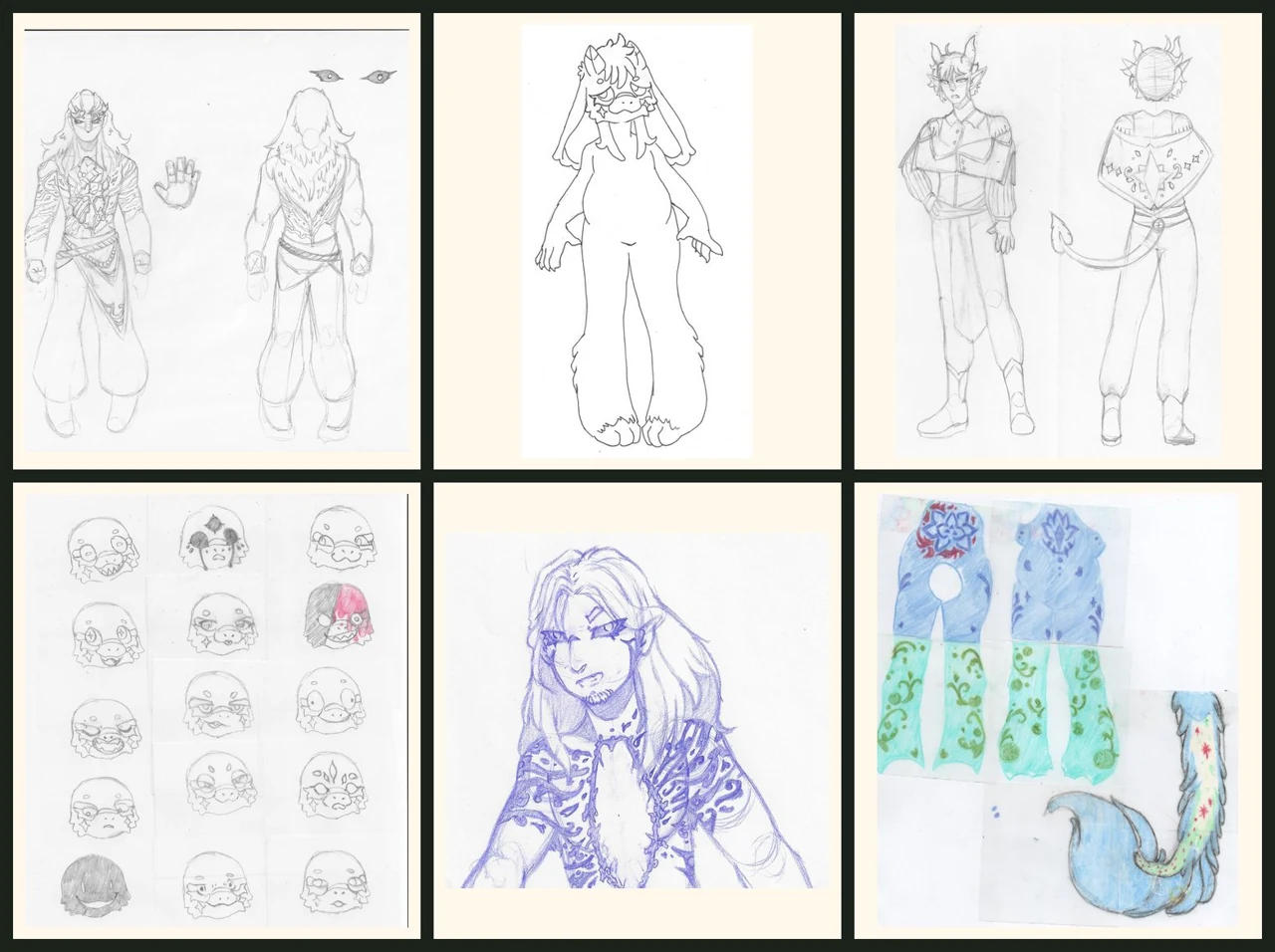
Contact sheet of Peasants to Kings player character art, including multiple fantasy characters drawn in different styles.

Characters with roots

Player character art gives the campaign emotional anchors: people at the table can see who they are becoming.

Citadel of Suffering horror story

A darker P2K story card for the mythic-horror lane: strange pressure, emotional consequence, and a world that remembers what happened.

Short-form proof

The top TikTok gives visitors a quick public signal of the world and the GameMasterKyle voice. The deeper written and channel links sit beside it, instead of creating stretched empty cards.

System proof

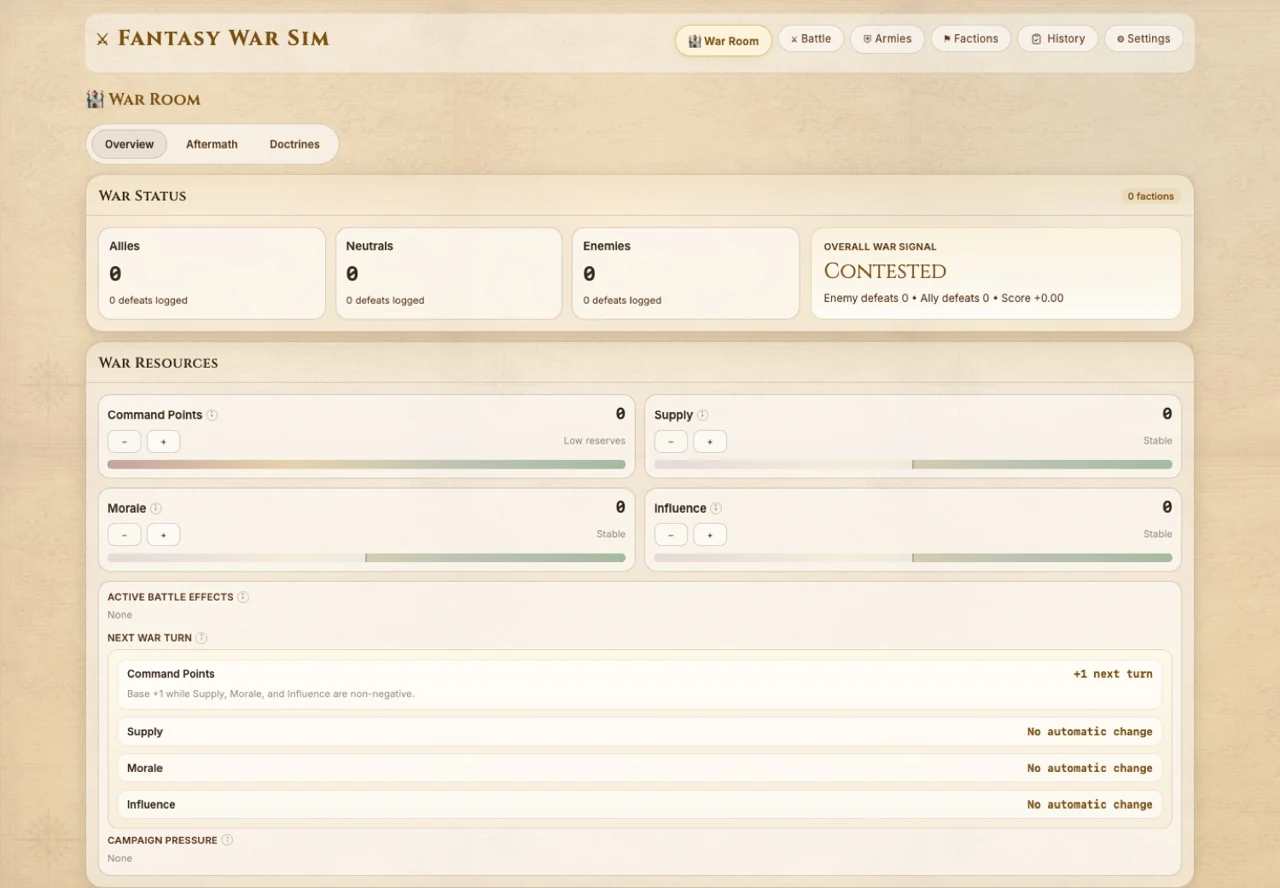
War became something the table could actually play.

Peasants to Kings also stretches beyond normal combat: diplomatic scenes, cinematic scenes, faction pressure, local battles, and campaign-scale war.

At the table

Big world, clear next move.

World Memory

Factions, places, and consequences persist, so player choices feel like they leave tracks.

Player Agency

The campaign gives players enough structure to act without making the story feel prewritten.

Documentation

Recaps and lore systems keep long arcs usable instead of turning continuity into homework.