Opens in a new tab.
Back to games
Echoes of Stargate

Cinematic mission play with a clear team frame.

A fan-table sci-fi mission campaign built around briefings, objectives, maps, team roles, tokens, and episode-ready prep.

Mission briefings Prepared maps and tokens Episode pacing
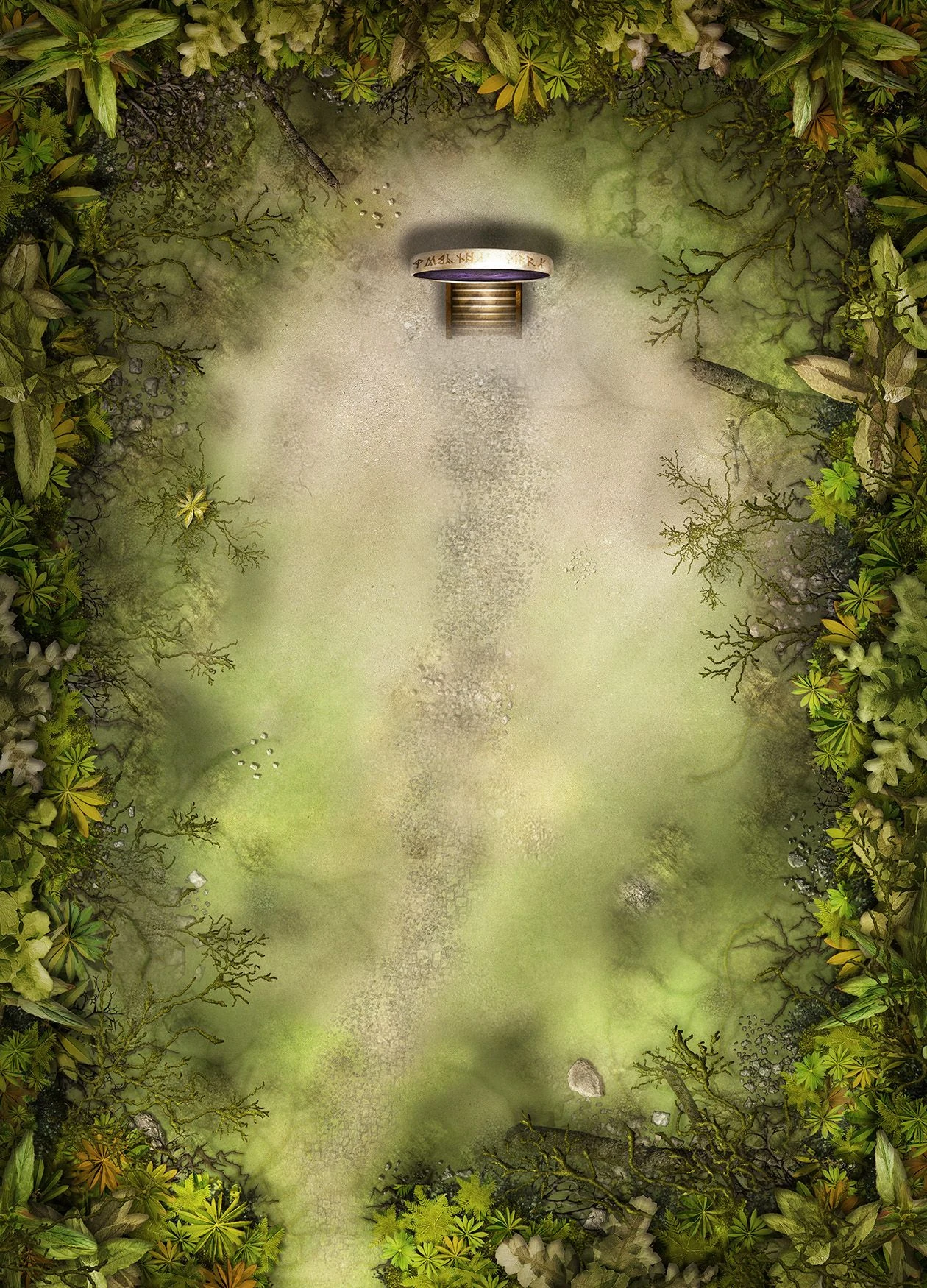
Prepared Stargate RPG map showing a forest clearing with a gate platform and path through the terrain.

What This Game Shows

Echoes of Stargate is the mission-design case. It shows how to take a large sci-fi premise and make it playable through the tools players need first: a briefing, an objective, a map, a team role, and a reason the scene matters now.

The important proof is orientation. Players do not need to carry the whole universe in their heads before acting. The table has a mission frame, visual references, and concrete handles for where to go next.

  • Uses mission briefings to make objectives, stakes, and table direction visible.
  • Supports tactical scenes with maps, tokens, and episode assets.
  • Separates roleplaying campaign craft from the Stargate card-system project.
Featured story

The mission becomes memorable when the aftermath gets a song.

Echoes of Stargate is not only tactical mission prep. It also supports character-specific aftermath, roleplay continuity, and story care between sessions.

Maia's dream

Mission play still leaves room for personal fallout.

The two-part Maia story shows a different side of the campaign: after-session care, emotional continuity, and character-specific payoff built around one player's arc.

Text roleplay sources such as Maia's kidnapping and Tea with Ruth support the public recap, but the page keeps raw Discord material private and visitor-readable.

Character aftermath gets treated as part of the campaign, not a side note. Between-session roleplay supports the next live session instead of replacing it. Mission structure and emotional continuity can live in the same table.
Watch part 1 Watch part 2 Join Stargate Discord
Source-seeded recap

The Echoes source set includes captured text-roleplay threads around Maia's kidnapping and quieter roleplay beats such as Tea with Ruth. The public story keeps that material summarized: the point is to show how Kyle supports character aftermath without publishing private thread dumps.

Game craft

Big premise, fast orientation.

The table craft here is not lore recall. It is translating mission structure into playable scenes where players understand their role and the next decision.

01

What I built

Mission packets, after-action-style documents, prepared maps, character-role support, tokens, and episode assets for a cinematic campaign frame.

02

What players feel

The team knows the mission, sees the space, understands their role, and can make decisions without a long lore lecture.

03

What it shows

Kyle can build table tools for complex genre play: briefings, maps, tokens, scene pacing, and mission stakes that land quickly.

Evidence board

Mission tools players can actually use.

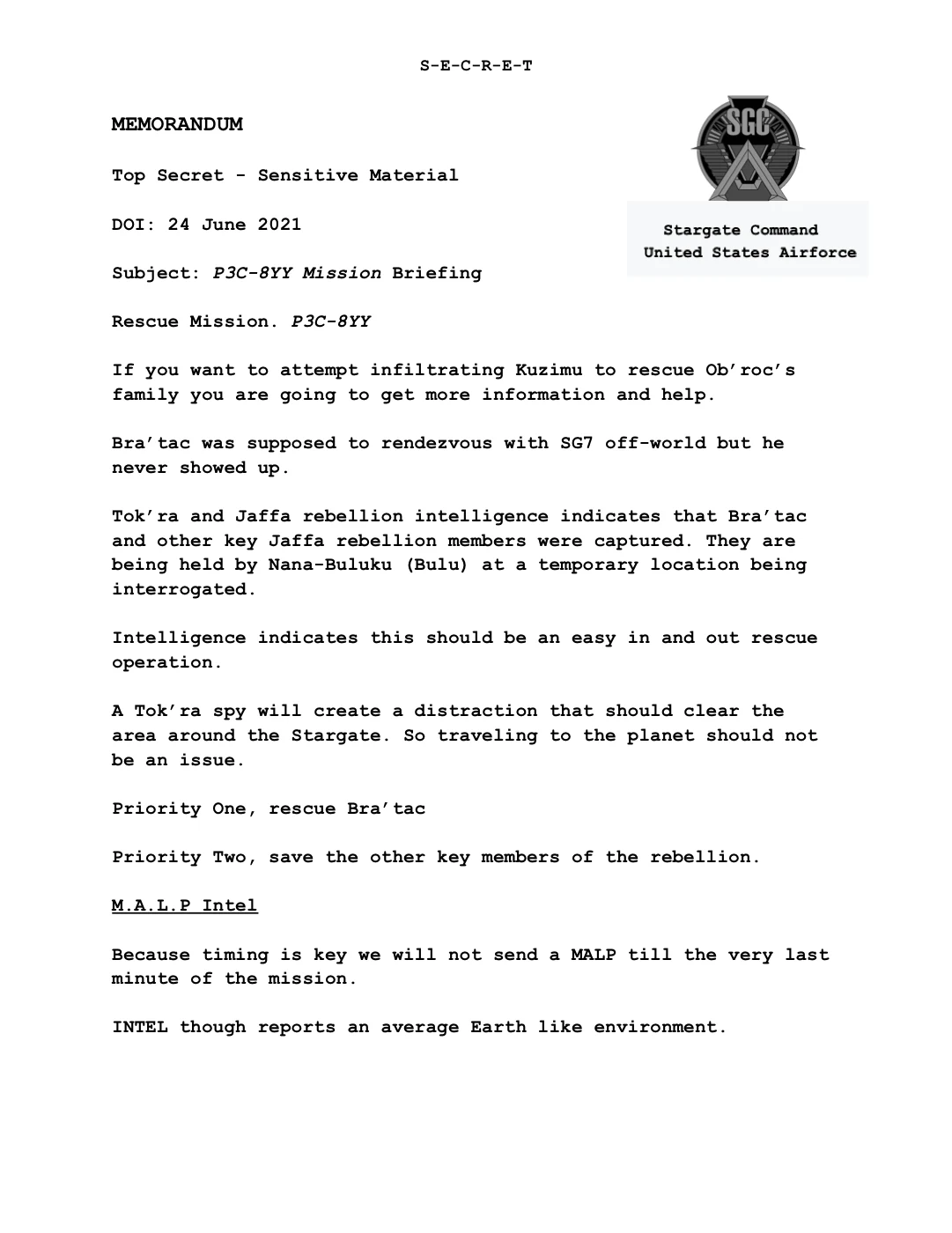
The proof is in the table materials: briefing snapshots, maps, tokens, and episode visuals that make the campaign easier to enter.

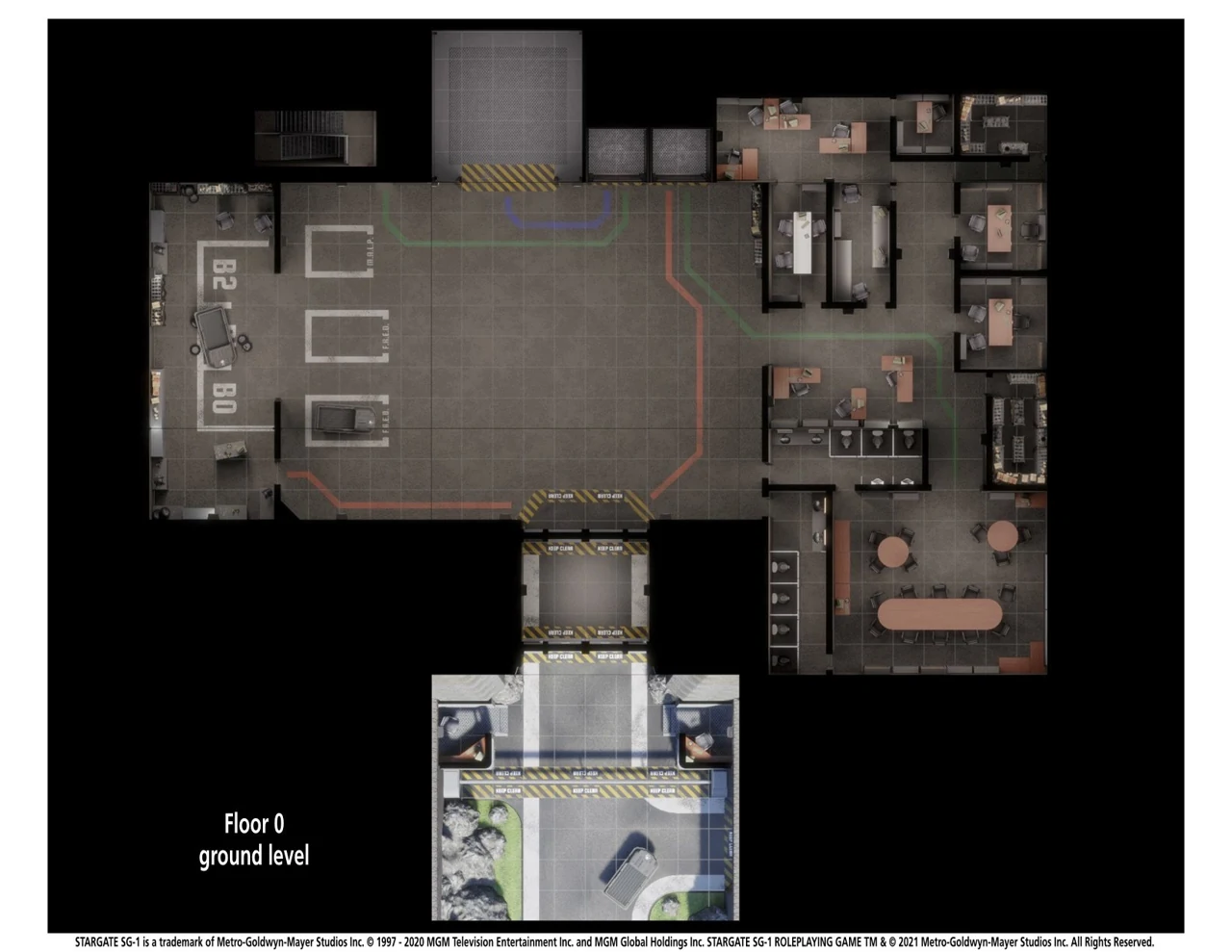
A prepared Phoenix Site overview mission map from the Echoes of Stargate campaign.

Mission-site map

A prepared location gives the table a shared tactical object instead of a vague mental image.

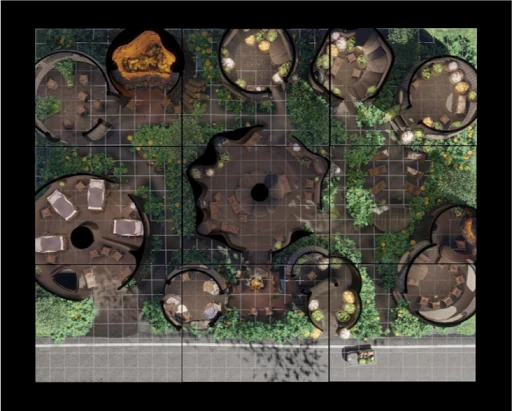
A compact Haven area map used as a prepared Echoes of Stargate table reference.

Secondary location support

Smaller maps help scenes move cleanly when the mission shifts locations.

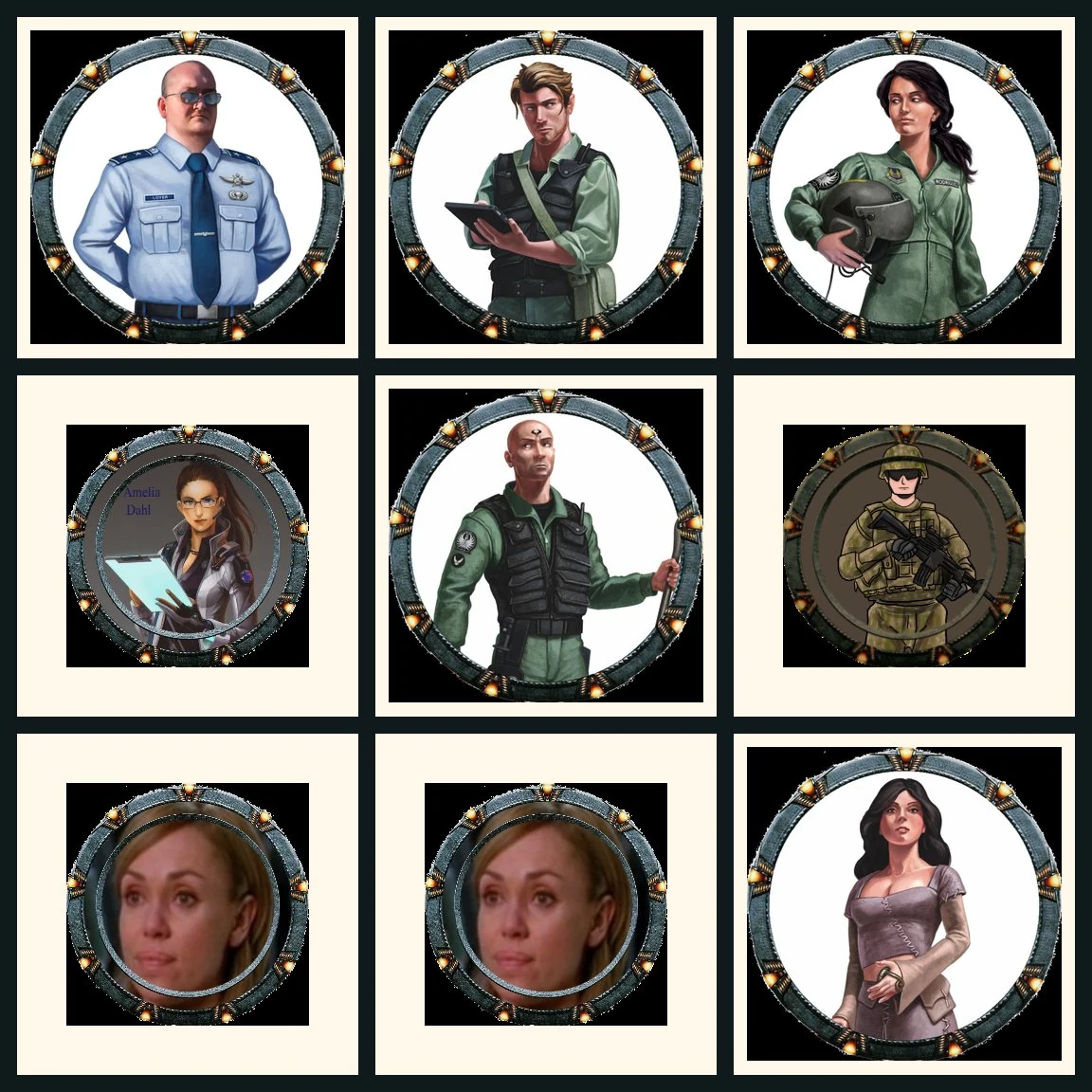
Contact sheet of Echoes of Stargate character and NPC tokens arranged on a dark campaign surface.

Table identity at a glance

Tokens help players read who is in the scene and keep mission play moving.

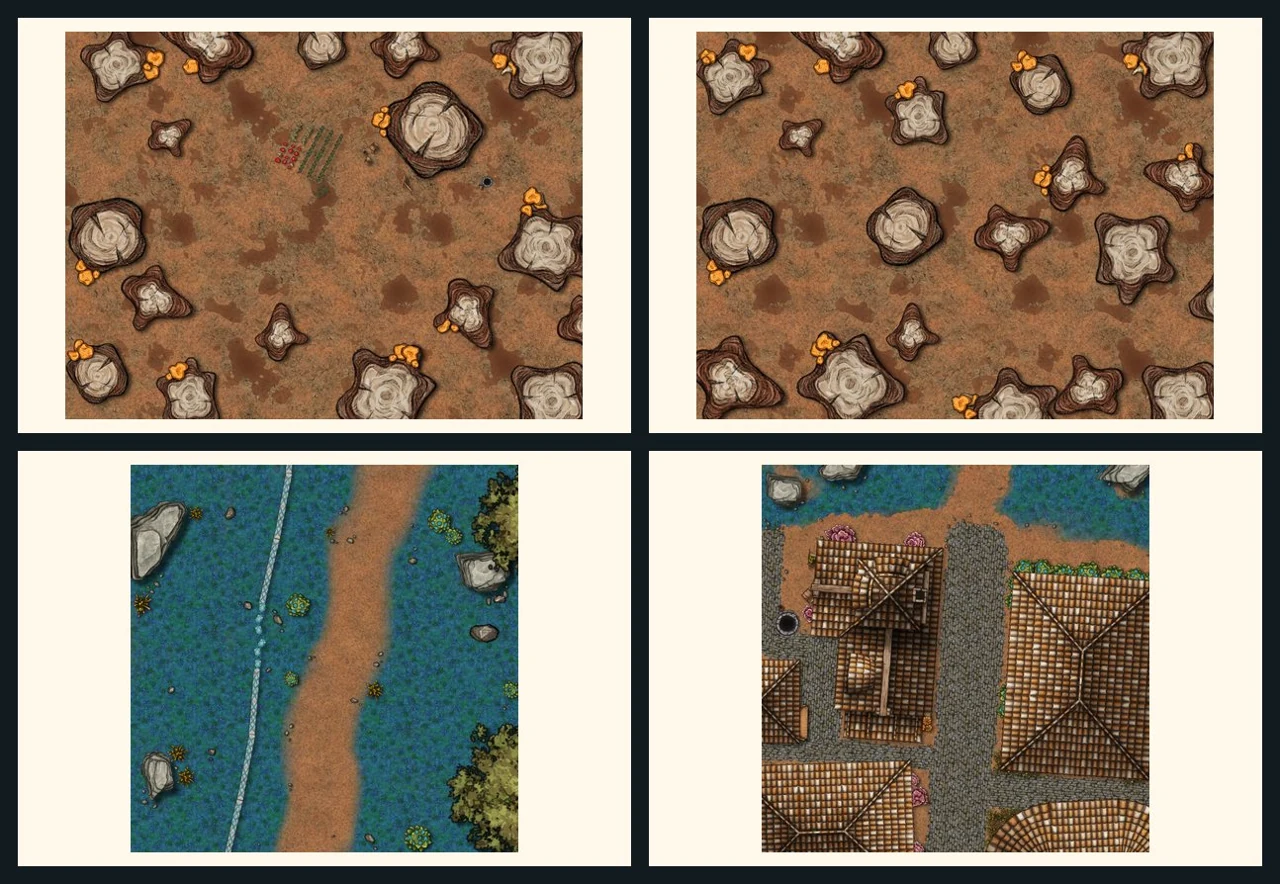
Contact sheet of four Echoes of Stargate episode scene images with sci-fi and fantasy mission imagery.

Episode-ready scenes

Scene art and episode assets support the campaign's TV-mission rhythm without asking players to guess the tone.

At the table

The mission frame does the heavy lifting.

Clear Objective

Players know what they are trying to do before the table gets buried in setting detail.

Shared Space

Maps and tokens create a common reference for action, tension, and tactical choices.

Episode Rhythm

Briefing, mission, complication, and aftermath give the campaign a reliable shape.